Empowering Business Growth with AI
Machine learning is revolutionizing the world of product distribution, offering unparalleled efficiency and precision. This cutting-edge technology empowers ambitious leaders and entrepreneurs to optimize their supply chains, ensuring sustainable growth and long-term success. Dive into the strategic benefits and transformative potential of integrating machine learning into your distribution processes.
Understanding Machine Learning in Distribution
Machine learning in distribution is like having a crystal ball for business logistics. This magical tool harnesses vast amounts of data to make sense of supply chain complexities. It helps businesses anticipate future needs and optimizes logistical decisions with precision.
Picture AI algorithms diligently analyzing historical data, market trends, and consumer behaviors. The outcome? Predictive analytics that can accurately anticipate demand. No more guesswork, but data-driven foresight that transforms the chaotic into streamlined operations. These algorithms sift through millions of potential scenarios to identify the optimal routes, schedules, and supply levels.
What truly sets machine learning apart is its ability to offer seamless product distribution
by anticipating customer needs. It ensures you have the right products in the right place at the right time. No more empty shelves or overstocked warehouses draining your resources.
Implementing this technology, businesses can achieve a level of efficiency previously unimaginable. An intelligent system that adjusts on-the-fly based on real-time data inputs is an operations manager's dream. Machine learning does this with accuracy and agility, reducing redundant processes and minimizing inefficiencies.
By harnessing these predictive capabilities, companies can refine their supply chain management. It allows for proactive adjustments rather than reactive scrambling. Moreover, these systems not only drive demand forecasting but bolster sustainable growth. Reduced waste, optimized resource use, and customer satisfaction are all part of the package here.
Ambitious leaders seeking a strategic edge view AI-driven solutions as allies, not just tools. It complements human ingenuity by freeing decision-makers from mundane tasks. This freedom is pivotal for focusing on long-term goals and innovation.
Machine learning isn't just transforming how businesses operate—it's rewriting the rule book. Integrating this technology can empower forward-thinking enterprises to scale new heights while maintaining ecological and economic balance. Here lies the future of business logistics, with AI as your trusted navigator.
Key Benefits of AI-Driven Distribution
Integrating machine learning into product distribution systems offers a range of benefits that can significantly boost operational proficiency. A standout advantage is the improved precision in demand forecasting. By training AI models on historical data, businesses can predict customer demand with unparalleled accuracy. This precise forecasting helps avoid overstocking and stockouts, leading to more efficient inventory management and reduced waste.
Cost reduction in logistics is another key benefit offered by AI-driven distribution. Machine learning algorithms optimize routing and delivery schedules, minimizing fuel consumption and labor expenses. Improved route efficiency not only cuts costs but also enhances the speed and reliability of deliveries, creating a better customer experience. These optimizations help businesses achieve cost-effective operations, freeing up resources for strategic growth initiatives.
The speed and efficiency of delivery processes are immensely enhanced by employing AI. Automated systems facilitate faster processing of orders, reducing delays and ensuring timely deliveries. This swift execution is a game-changer for maintaining customer satisfaction and loyalty. Moreover, the utilization of
automated shipping software further streamlines these processes, ensuring optimal performance at every step of the distribution chain.
AI solutions that empower entrepreneurial strategies are vital for scaling businesses. Predictive analytics tools can identify emerging market trends and consumer behaviors, enabling proactive adjustments in distribution strategies. These insights pave the way for businesses to explore new market opportunities and refine their offerings.
Machine learning also plays a crucial role in personalized upselling and cross-selling during the distribution process. By analyzing purchase patterns and preferences, AI can suggest relevant products, boosting sales and enhancing the customer experience. Such personalized marketing efforts are more effective and cost-efficient than traditional blanket advertising.
The deployment of AI in distribution not only revolutionizes how products reach consumers but also transforms strategic business planning. It allows entrepreneurs to focus on scaling their operations while maintaining quality and efficiency. Embracing AI in distribution is a strategic move that ensures businesses stay competitive and agile in the evolving market landscape.
Integrating AI into Your Business Model
The incorporation of machine learning into your business model requires a strategic approach powered by precise planning. Start with evaluating your current infrastructure. This could mean investing in cloud-based systems or upgrading your current setup. You’ll need to ensure that your technology stack can handle the increased data processing demands of machine learning algorithms.
Data management is the backbone of seamless product distribution. It's not just about collecting data but managing it effectively. Create protocols for data cleansing and integration. This ensures that you're feeding clean, reliable data into your machine learning models, which in turn, enhances their predictive capabilities. Use data lakes or warehouses that can scale with your growing data needs.
Your team is as crucial as technology in this transformation. They will need training to leverage AI technologies effectively. Develop and implement comprehensive training programs focusing on both the technical and strategic aspects of AI applications in distribution. These programs should be iterative, adapting as technology evolves. Encourage cross-functional training to ensure all departments collaborate efficiently within this AI-enhanced framework.
Strategic planning should be at the forefront of this integration. It's not just a technology shift but a strategic rethinking of how your business operates. Develop a phased approach, starting with low-risk pilot projects that provide quick wins. Gradually scale these initiatives as your team becomes more adept in their AI proficiencies. This method minimizes disruption and ensures smoother transitions.
Hands-on mentorship can be invaluable during this phase. A mentorship program could provide the insights and guidance needed for optimal AI integration. Services like those offered by
Innersha Advisors LLC could be game-changers in ensuring you're on the right path. Their expertise helps streamline this integration, positioning your business for long-term success.
Remember, this journey is not just a technology update; it’s a transformational shift that plays a crucial role in maintaining a competitive edge. Equip your business with strategic insight and operational efficiency, ensuring that AI is not just an addition but a core part of your operational identity. This strategic incorporation ensures your business remains agile, efficient, and ready to tackle future challenges in the evolving landscape of product distribution.
Future Trends in AI and Distribution
The landscape of product distribution is poised for a major shift with emerging AI trends acting as the catalysts of transformation. Open your mind to the possibilities; edge computing, IoT integrations, and autonomous logistics systems are redefining operations. These technologies promise to cut down on latency and boost efficiency by processing data at the source rather than relying solely on centralized servers. Real-time data processing enables swift decision-making, enhancing product distribution's accuracy and reliability.
Integrating IoT devices in supply chains amplifies data points collection, creating a dynamic network of interconnected systems. Imagine sensors on shipping containers relaying real-time location and condition data. Such systems ensure products are delivered in optimal conditions, reducing waste and enhancing customer trust. AI analyzes this constant stream of information to anticipate disruptions or delays and offer predictive maintenance insights, thus eliminating downtime.
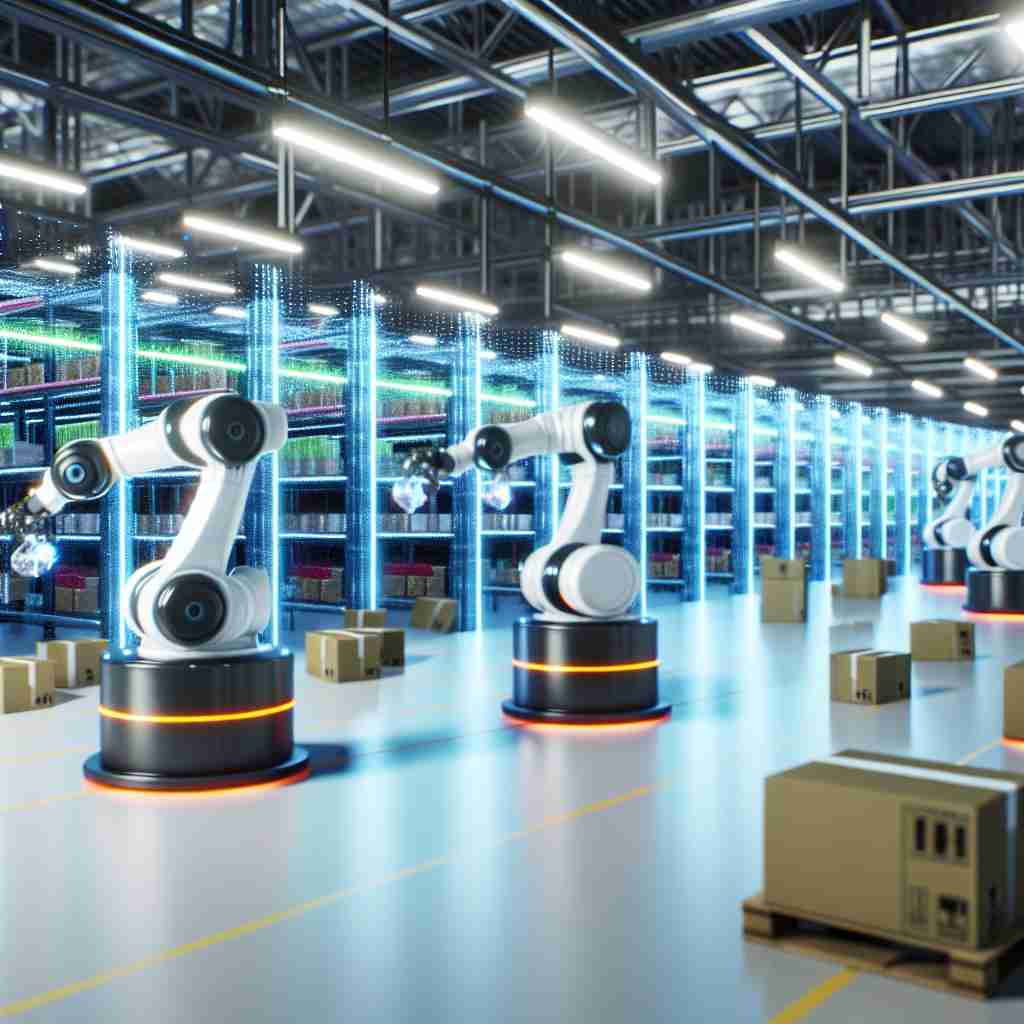
Autonomous robots and drones are already part of many warehouses, but AI is pushing the envelope. Continued advancement in machine learning algorithms aids these systems in making smarter decisions. In the future, autonomous vehicles might become the norm, capable of route optimization on-the-fly, reducing fuel costs, and efficiently navigating complex urban environments. Such innovations could transform the logistics landscape, offering substantial savings and a greater carbon footprint reduction.
These advancements impact business competitiveness. Enterprises able to harness these innovative tools stay ahead. By optimizing their logistics, they can offer better customer service, fulfill orders faster, and reduce operational costs. Companies lagging in AI adoption will find themselves distinctly uncompetitive in the long run. Leveraging these technologies helps adapt to changing market demands, enhancing resilience against supply chain disruptions.
For those leaders and entrepreneurs ready to embrace the future, actionable steps await. Engaging with tailored advisory programs can offer personalized strategies to integrate these emerging technologies into distribution processes. Consider consulting with experts to tap into bespoke solutions tailored to your business. To navigate this transformative age, one pathway is joining targeted advisory programs, such as those offered by
Innersha Advisors LLC Pre-audit, which focus on developing forward-thinking strategies. Embrace the opportunity and propel your enterprise into the future, staying ahead of the curve in this ever-evolving landscape.
Final Words
Machine learning is a powerful tool for revolutionizing product distribution. Its ability to enhance efficiency, reduce costs, and improve accuracy is unmatched. By adopting this technology, businesses can not only scale effectively but also achieve sustainable growth. Equip your operations with the analytic insight and transformative capabilities of AI for unprecedented success.