Boost Efficiency and Ensure Accuracy in Every Shipment
Shipping errors can sink businesses, but automation can save the day. Discover how implementing automated quality control reduces errors, enhances efficiency, and supports business growth through strategic planning and innovation.
Understanding the Impact of Shipping Errors
Errors in shipping can be a silent profit stealer. These missteps ripple through the business, burdening operations with increasing costs and diminishing trust among customers. While shipping might seem like a simple task, any miscalculation can spiral into customer dissatisfaction and tarnished reputations. The pain point? Your hard-won competitive edge may slip away, leaving you grappling to maintain market standing.
Operational inefficiencies due to shipping errors can wipe out margins. Each miscalculation not only requires rectification but disrupts workflow, sometimes halting entire processes. This inadvertently leads to increased labor and shipping costs while bruising profit margins.
And then there's trust. Once lost, trust is a hard currency to regain. Customers are unlikely to forget a delayed or wrong shipment, and if they can't rely on timely deliveries, their loyalty is at stake. With rising competition, sustaining trust is pivotal. Competitors are waiting to pounce at any sign of weakness, ready to offer a more reliable alternative.
Recognizing the financial implications isn't enough; taking action is where the real magic happens. Reducing these errors through automation is not just about putting checks and balances in place. It drives efficiency and offers a strategic advantage. By integrating automated quality control into existing systems, a business can significantly lower error margins.
Automation seamlessly bridges gaps by consistently ensuring accuracy, which human oversight might miss. Integrating this technology doesn't mean overhauling everything you have; rather, it's about enhancing what's already there. The blend of automation can facilitate growth, allowing businesses to ramp up without the fear of sacrificing quality or performance. This way you sustain operations without disturbing the fine balance of workflows.
Adopting an
automated quality control system isn't just an investment in operational efficiency. It's a strategic decision that can foster sustainable growth. In a landscape where each advantage counts, ensuring shipping accuracy through automation could be the critical factor securing your long-term success. Avoid costly errors with technology that supports, rather than disrupts, your business processes. And keep the competitive advantage tightly secured within your grasp.
The Role of Automation in Quality Control
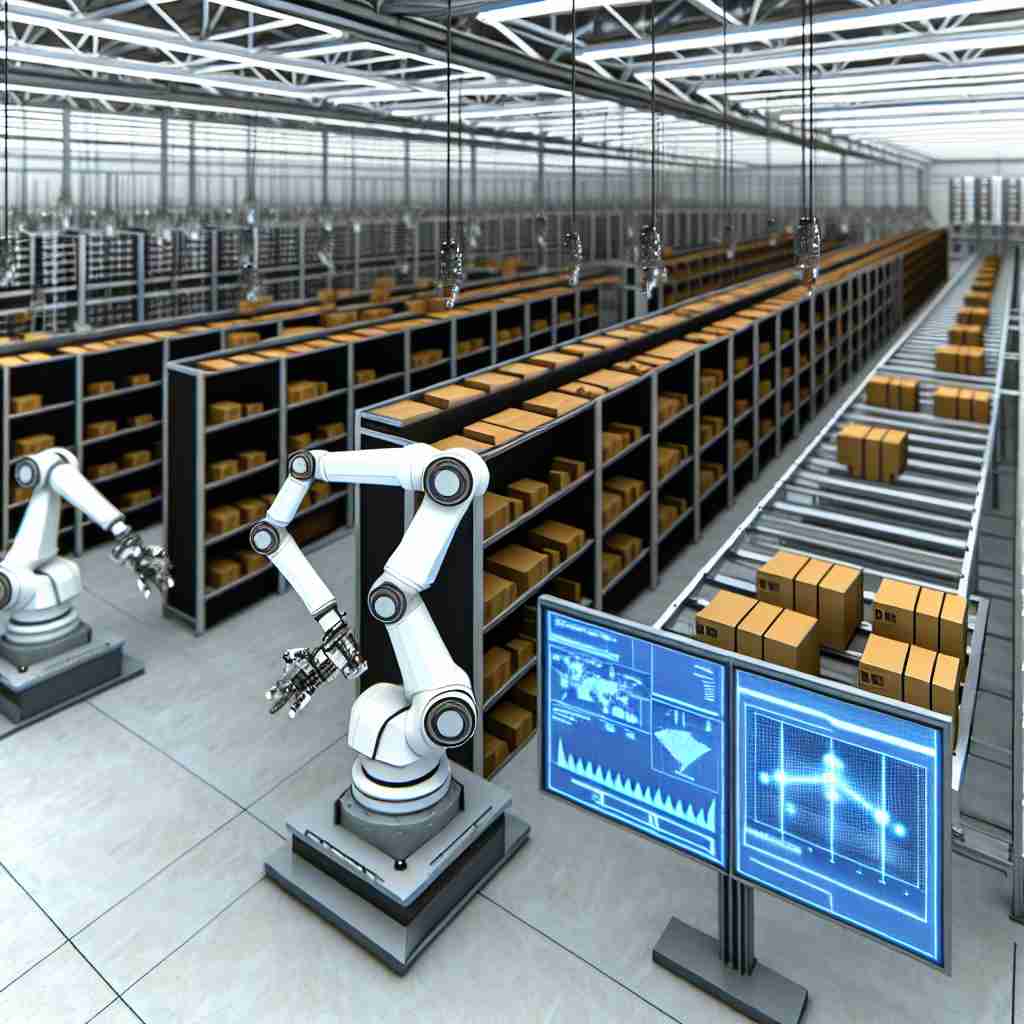
Automation is revolutionizing quality control, especially when it comes to shipping. By integrating technologies like machine learning and AI, businesses are enhancing their capacity to detect anomalies, ensuring consistency, and minimizing the human errors that often lead to costly shipping inaccuracies.
Consider machine learning. It excels in processing vast amounts of data to pick up on even the smallest inconsistencies. These algorithms can analyze shipping parameters in real time and immediately flag any deviations from the regular norms. For instance, if an item is incorrectly labeled or stored in the wrong location, the system identifies the error and sends a notification, allowing corrective action to be taken before the shipment is dispatched.
AI plays an equally transformative role, not just by identifying faults but by predicting them. Predictive analytics powered by AI can anticipate possible points of failure based on historical data, making it an invaluable tool in preemptively addressing issues and refining processes. This results in fewer shipping errors over time as the system learns and adapts.
Moreover, automation ensures consistency. Manual processes are prone to errors due to variability in human performance. Automated systems, on the other hand, guarantee that every step in the shipping process is executed precisely the same way, every time. This level of uniformity significantly reduces discrepancies and guarantees that quality remains high across every shipment.
Reducing the need for manual oversight doesn’t just diminish errors—it streamlines operations. It allows companies to deploy human resources more effectively, which aligns with broader strategic goals of optimizing operations. Reducing shipping errors not only prevents costliness but fosters a reliable reputation among clients, sustaining long-term growth.
As businesses strive for scale and efficiency, recourse to automated quality control proves essential. Implementing these systems aligns with the strategic goal of optimizing operations. In practice, this means setting up a supply chain where errors are minimized, efficiency is maximized, and growth can continue unhindered.
For those interested in exploring AI-driven advancements that extend beyond the shipping domain, consider diving into how
AI is boosting audience growth through targeted content strategies. This demonstrates how multilateral these technologies can be, seamlessly integrating to elevate diverse areas of business.
Real-World Applications and Success Stories
Leading the way in efficient operations, automated quality control systems have proven their mettle across various industries. For one, the ecommerce sector has transformed through these systems, achieving near-zero error rates and impressive customer satisfaction improvements. Businesses that once struggled with manual checks are now thriving, thanks to automation.
Consider a large-scale retail company that integrated machine learning into their shipping processes. They cut their shipping errors by more than half within six months. The system identified trends that manual checks often missed, ensuring packages are precisely prepared and dispatched. This not only improved operational efficiency but also drove customer loyalty.
In manufacturing, automated quality control systems have particularly excelled. A renowned electronics manufacturer revolutionized their operations by embedding AI into their quality control. The machines learned to detect micro-defects that were invisible to the human eye, drastically reducing recalls and elevating the product quality. This efficiency enabled the manufacturer to scale rapidly, entering new global markets without a hitch.
Logistics companies have also embraced automation with open arms. They now deploy predictive analytics to optimize routes, ensuring timely deliveries. One standout logistics firm noticed a reduction in delivery times by adopting AI-based solutions, enhancing their reputation and expanding their client base.
Automated quality control systems are not just about reducing errors; they're about empowering companies to think bigger. They're laying the groundwork for a future where precision and speed are norms rather than exceptions.
Innersha Advisors LLC has been pivotal in guiding businesses through this technological evolution. Their expertise in crafting tailored strategies ensures that businesses face fewer implementation hiccups and maximize automation benefits. Companies eyeing this transition can trust Innersha Advisors to streamline this journey, helping them integrate and leverage advanced technologies. This strategic partnership ensures not only error reduction but a significant leap in efficiency and scale.
For businesses eager to understand how advanced automation fits into their operations, diving deeper into specific case studies reveals tangible results. For instance, an ecommerce business utilizing AI-driven strategies improved customer retention significantly. To explore such
AI-driven client retention strategies, companies can learn from real-world applications and anticipate the multifaceted benefits automation brings.
Implementing Automated Quality Control for Sustained Growth
Embarking on the automation journey demands more than just enthusiasm. It's crucial to approach the implementation of an automated quality control system with a strategic mindset and meticulous planning. The initial step involves a thorough assessment of your current processes. Identify areas ripe for automation by analyzing error patterns and operational bottlenecks. Once you've pinpointed these areas, it's time to map out a detailed action plan, aligning each step with your organizational goals.
The planning phase should focus on selecting the right technology, ensuring it fits seamlessly with existing systems. Robust integration depends on choosing flexible solutions that allow for customization, steering clear of a one-size-fits-all approach. This requires engaging with stakeholders across different levels within your organization to ensure the solution meets diverse needs, enhancing buy-in and facilitating smoother implementation.
Execution is the moment where planning materializes into action. Engage cross-functional teams to pilot the system first, iron out any kinks, and gather insights for broader deployment. Be prepared to encounter resistance from employees who fear technology may replace their roles. Overcome this hurdle with transparent communication and training that highlights how automation enhances their efficiency, freeing them for higher-value tasks.
During implementation, data security and privacy cannot be overlooked. Establish protocols and compliance checks to safeguard sensitive information, ensuring that your automated systems enhance rather than compromise security. Overcoming these challenges requires expert guidance—this is where Innersha Advisors LLC excels, offering tailored strategic advice and mentorship.
Finally, measure and monitor your system’s performance consistently. Use real-time analytics to detect anomalies and make informed adjustments, honing the system for sustained efficacy. Remember, automation isn't a set-it-and-forget-it deal. It requires attention and iterative improvements to align with evolving business needs and technologies.
Ready to navigate this transformative journey? Leaders and entrepreneurs are encouraged to visit
Innersha Advisors’ consultation page for insights tailored to your specific operational context. Embrace your role as a pioneer in operational excellence, optimizing your processes for unprecedented growth.
Final Words
Automated quality control is key to reducing shipping errors and enhancing operational efficiency. By strategically implementing these technologies, businesses can secure competitive advantage and sustain growth. Partnering with the right advisors, such as Innersha Advisors LLC, ensures this transition is smooth and aligns with broader strategic goals.